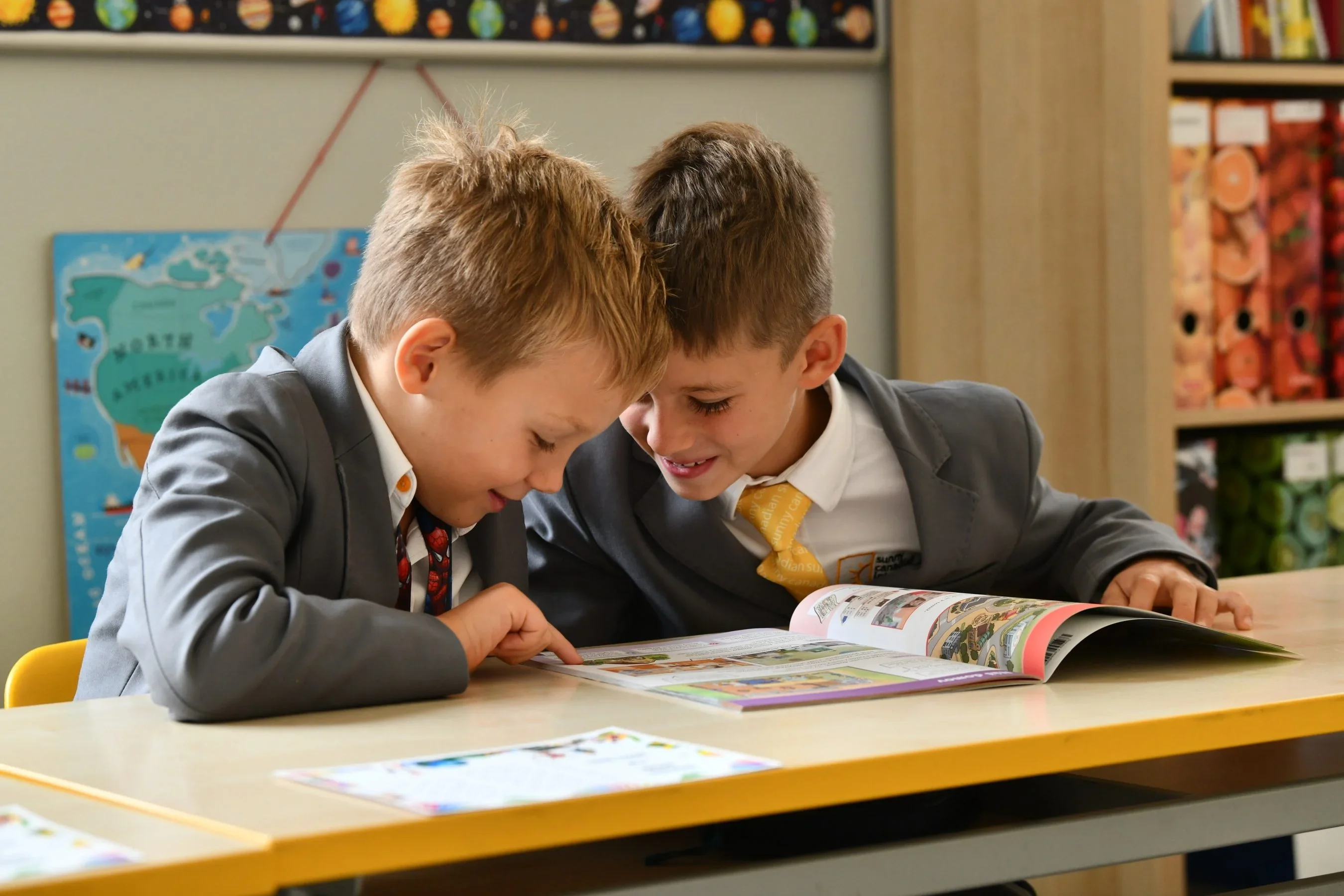

Two 1st Stage pupils reading a book together

1st Stage · Grades 1–5

Solid Foundations
for Life.

Bilingual education, clear rules and kind guidance. An environment where children grow in knowledge, responsibility and relationships.

Our Educational Philosophy

What Our 1st Stage
Is Built On

Five pillars that shape every day for our pupils from Grade 1 to Grade 5. Flip a card to find out more.

How We Learn

Learning That
Makes Sense.

The first years at school lay the foundations for everything that follows. This is where study habits, work ethic and a relationship with learning take shape. In our bilingual environment, we combine high expectations with kind guidance and make room for growth in knowledge, responsibility and relationships.

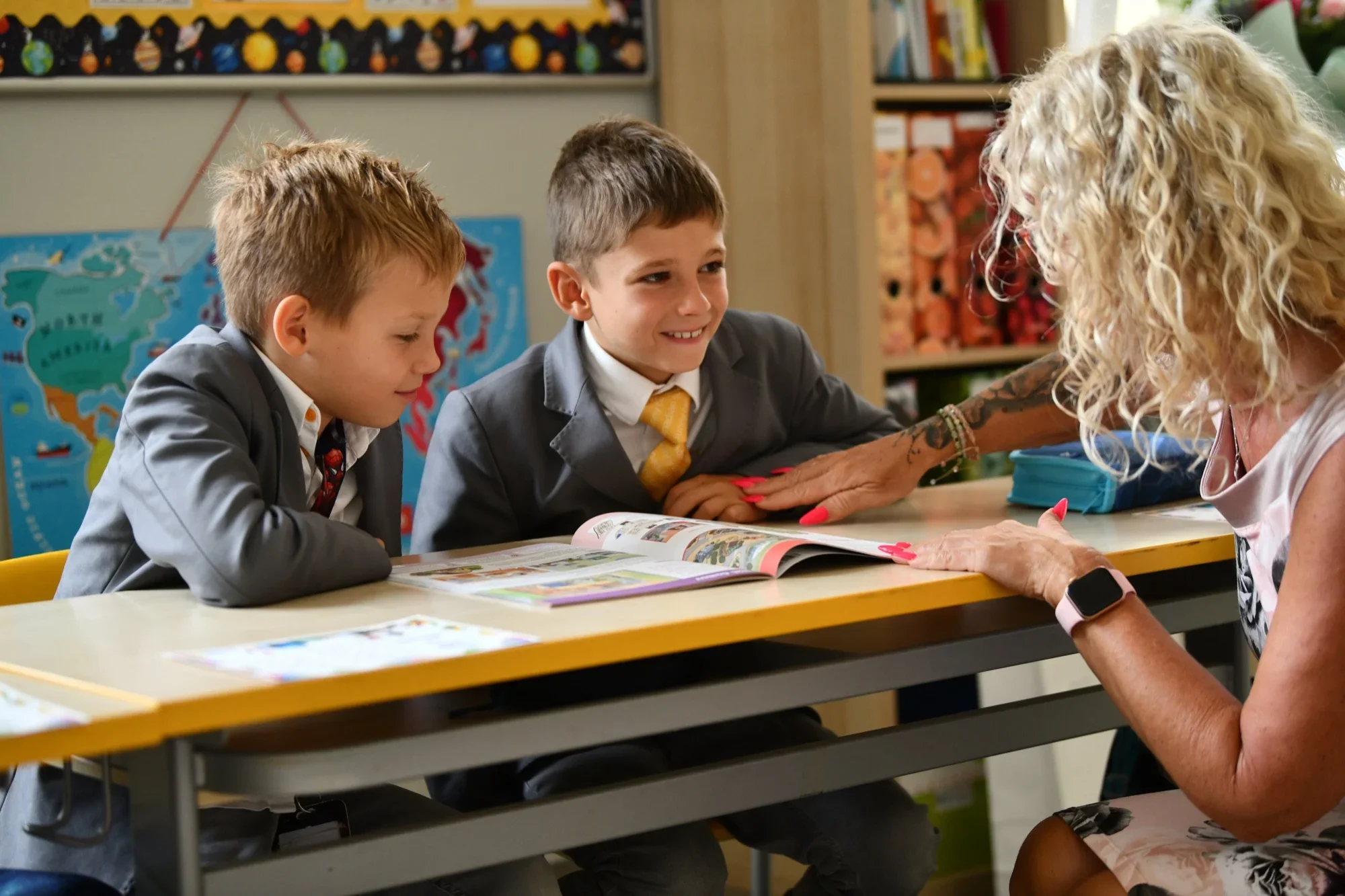
A teacher going through a textbook with two pupils at a desk

Developing Personalities

Knowing a Child Means
Knowing How to Guide Them.

That’s why we pay attention not only to results, but also to how a child thinks, communicates and handles everyday situations at school. We help every child discover their strengths, overcome their own challenges and enjoy the feeling of making progress. In a safe environment, they learn that even failure can be an important step on the way to success.
Teaching Methods

From Safe Beginnings
to Independent Discovery.

In Grade 1, children first learn to find their way in a new environment, build relationships and become part of the school community. On these solid foundations, we build inquiry-based and project-based learning that lets children make connections, work together and take responsibility for their own learning.

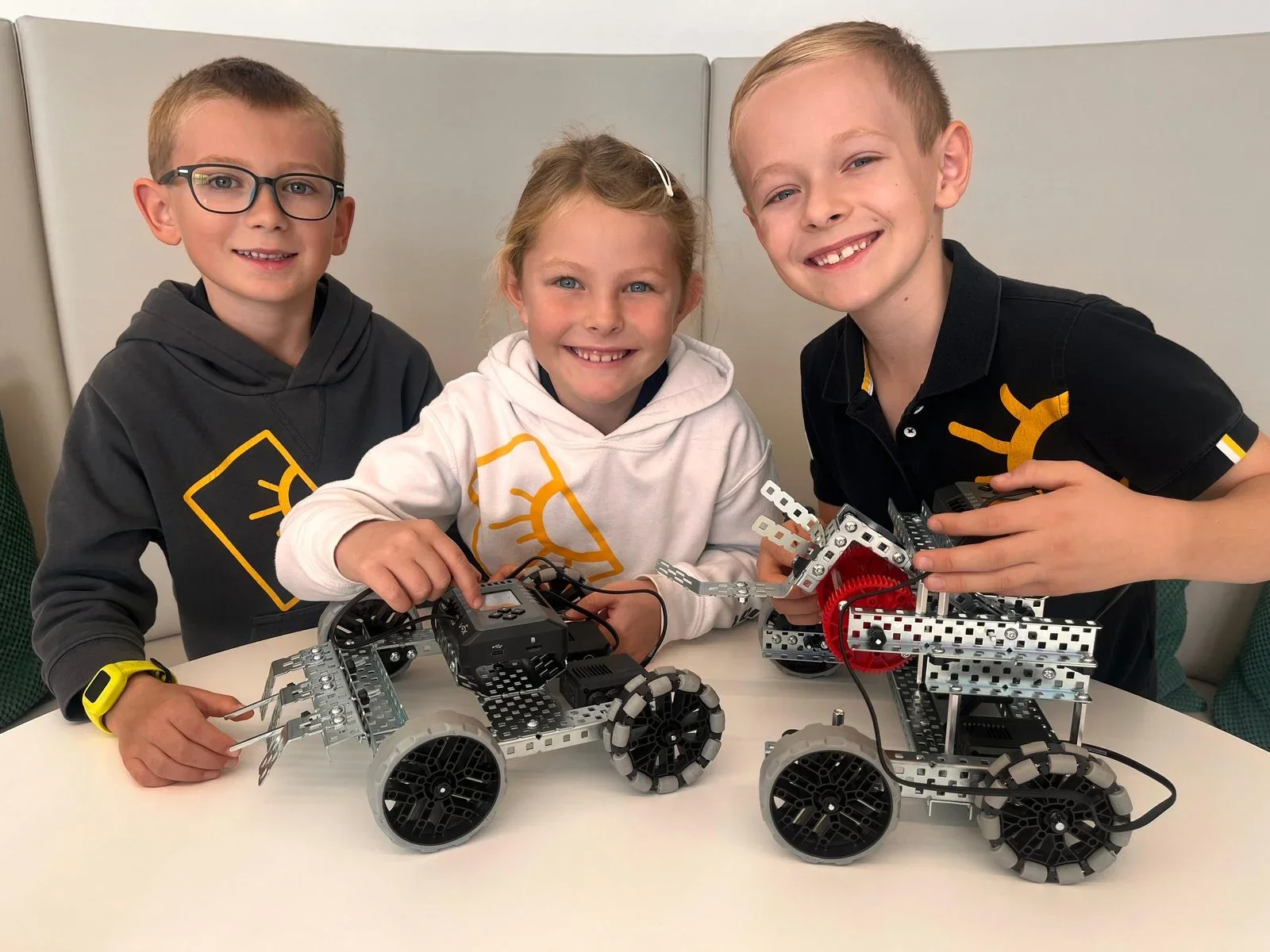
Three 1st Stage pupils laughing over robotics kits
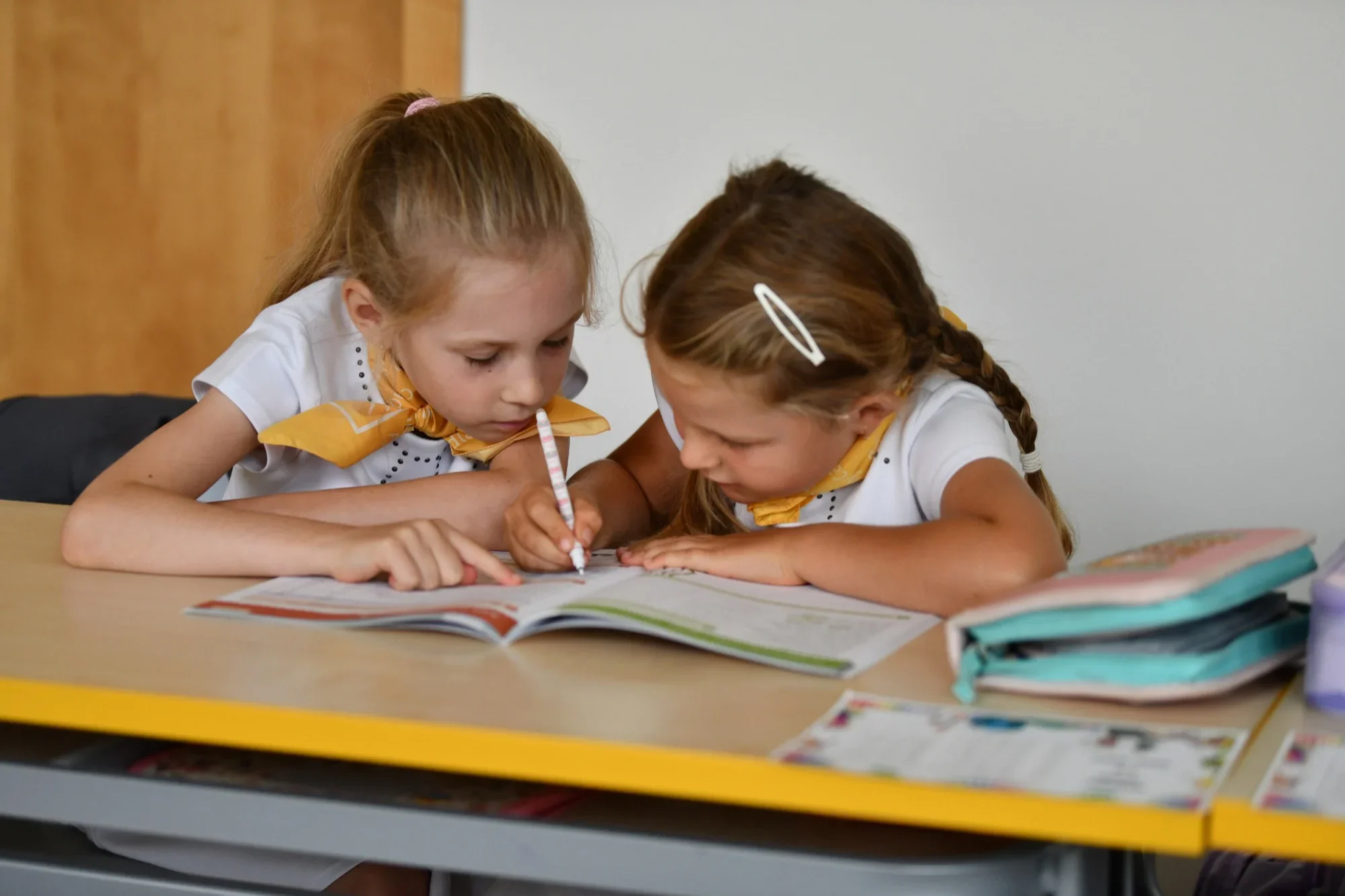
Two girls reading and writing in a workbook together

Literacy

Reading, Writing
and Maths Literacy.

We see reading, writing and maths as tools for understanding the world. We guide children to work with information, put their own thoughts into words, think logically and look for different ways to solve problems.

School Community

Relationships
Don’t Happen by Chance.

Communication circles are a natural part of life in the 1st Stage. Children learn to talk about their needs, listen to others and resolve disagreements before they turn into problems. Shared traditions, the school uniform and everyday school life strengthen respect, cooperation and responsibility for the community we create together.

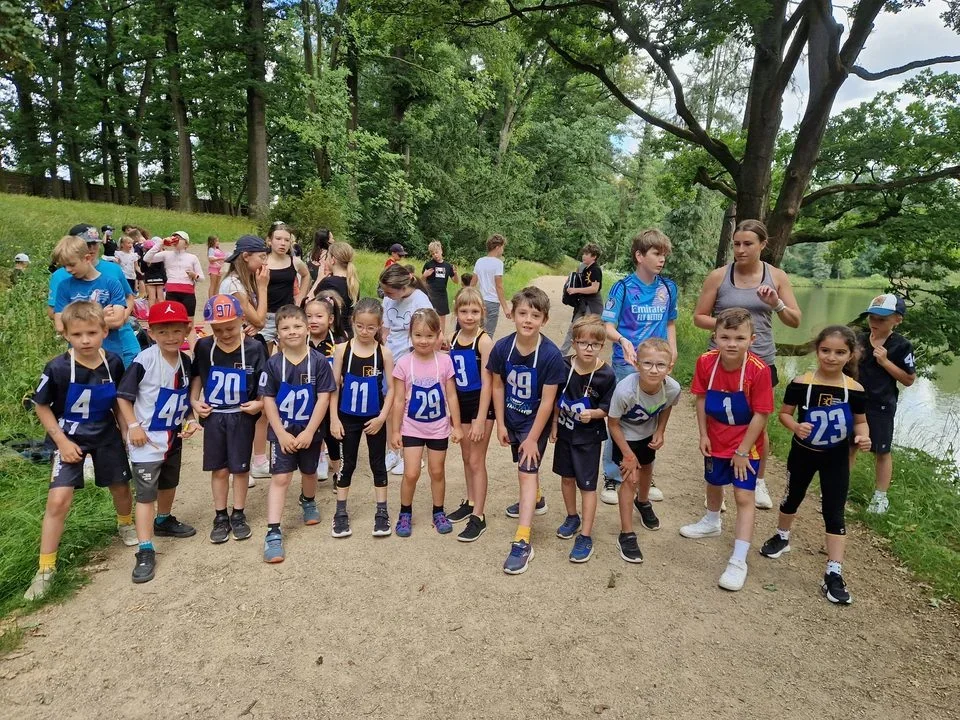
A team of pupils wearing race numbers at a cross-country run
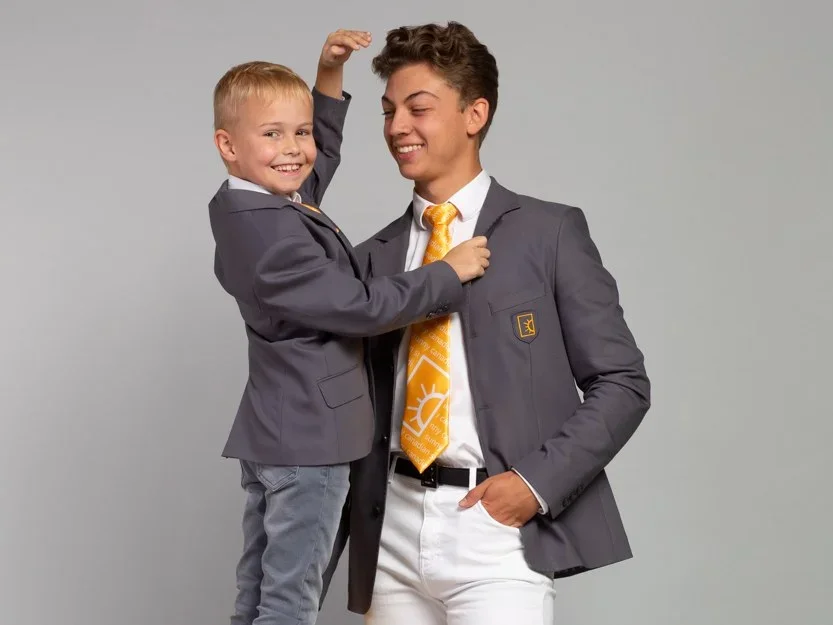
A young pupil on a chair measuring himself against an older student, both in school uniform

Connecting the Stages

Looking Beyond
the 1st Stage.

The 1st Stage is an important part of an educational journey that makes sense. We build on the experience children bring from different kindergartens and gradually prepare them for the demands of Junior High and further study. Thanks to cooperation between teachers across the stages, shared projects and a common educational philosophy, each stage of education flows naturally into the next.

1st Stage Projects

What Helps Us Grow

We believe some of the most important skills develop outside regular lessons. Projects, public presentations and guided challenges help children grow in knowledge, relationships and resilience.

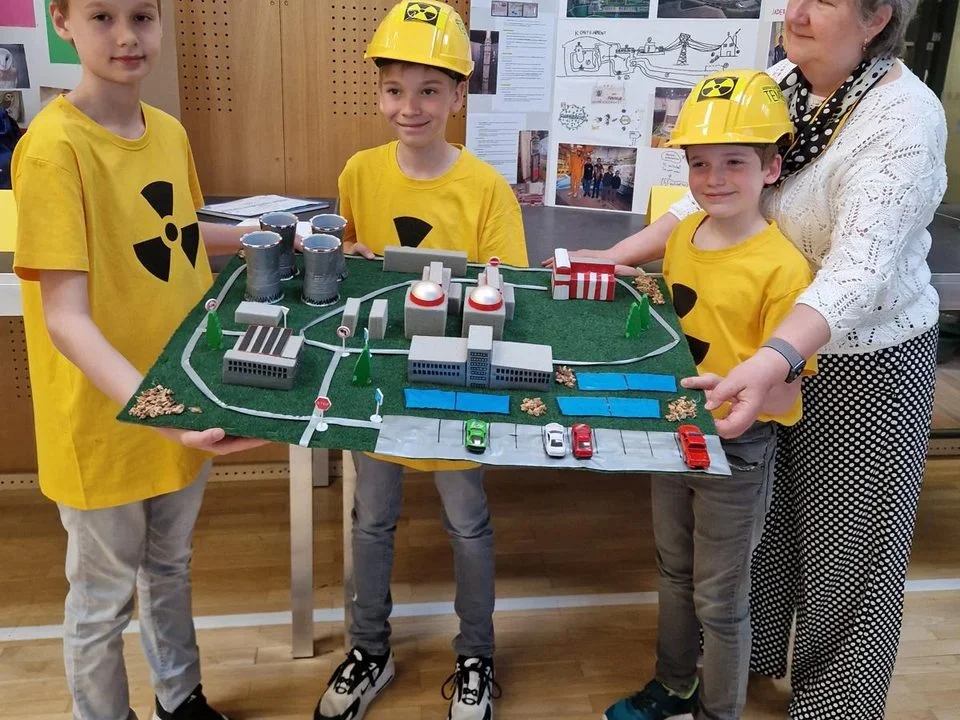
Pupils in hard hats presenting a power station model at the Project Olympiad

Project Olympiad

When Knowledge Takes On Real Meaning.

Children connect knowledge from different subjects, tackle real-world challenges, work as a team and learn to present their ideas to others.
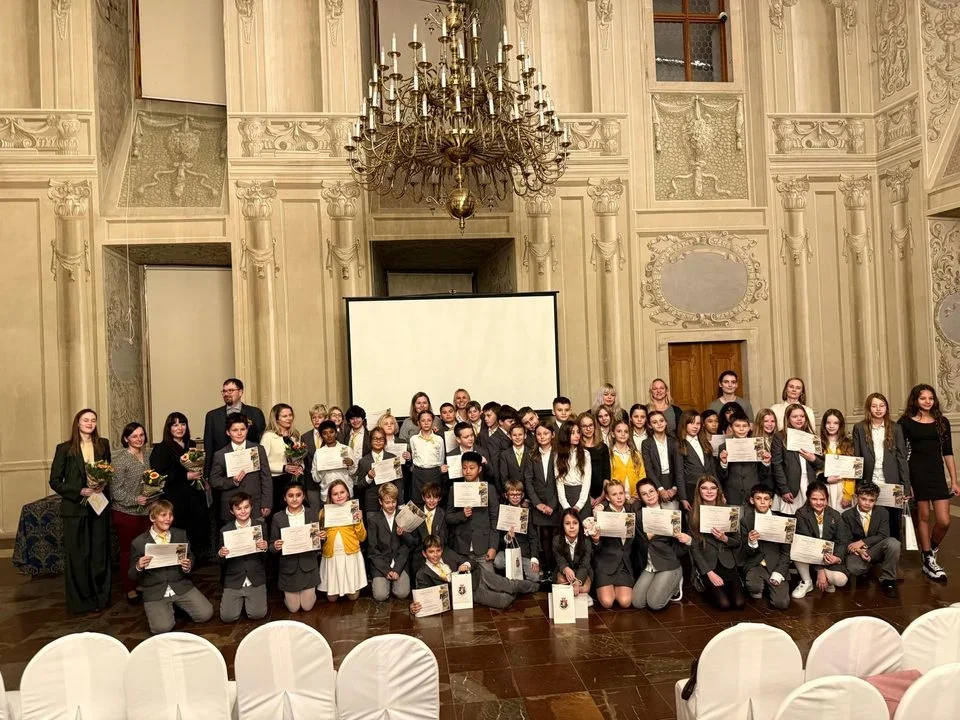
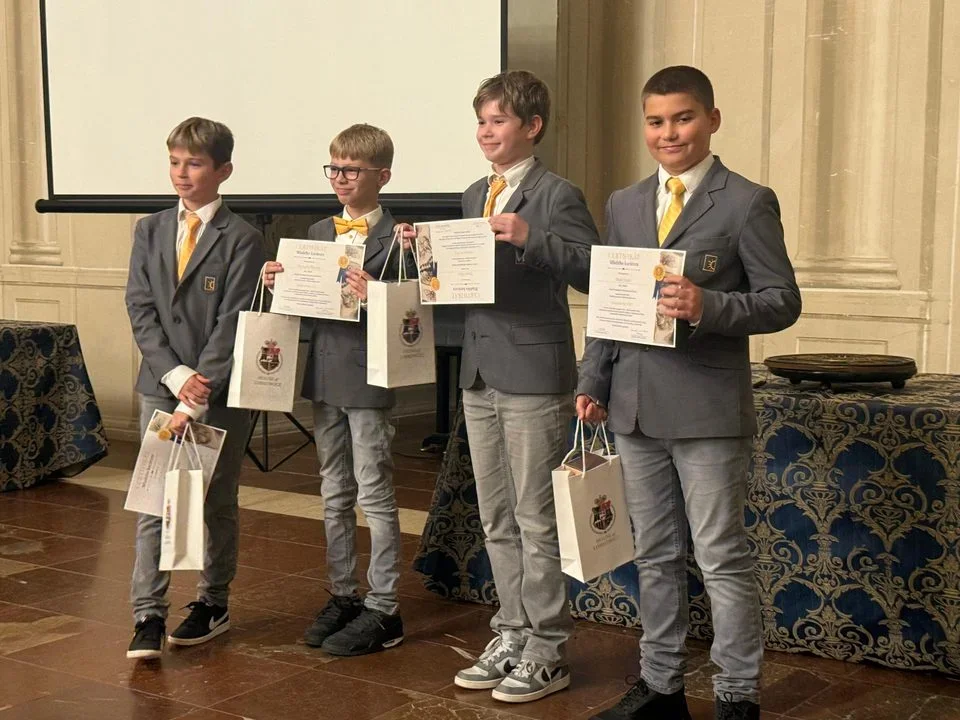
Group photo of the Young Curator project participants in a historic hall

Young Curator

From an Idea to a Public Presentation.

Under the patronage of the Lobkowicz Collections, Grade 5 pupils learn to work with information, think in context and present their ideas to the public.
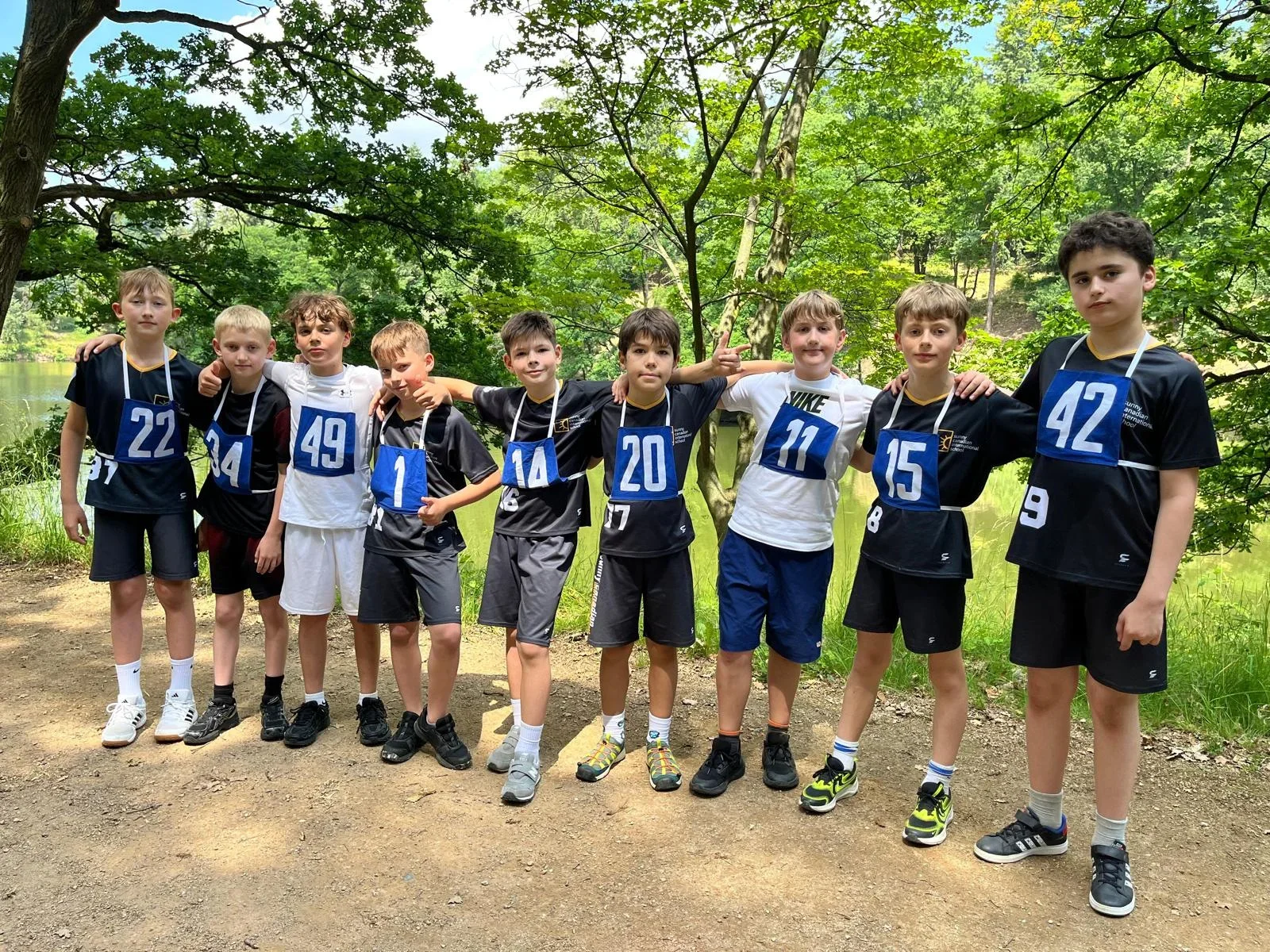
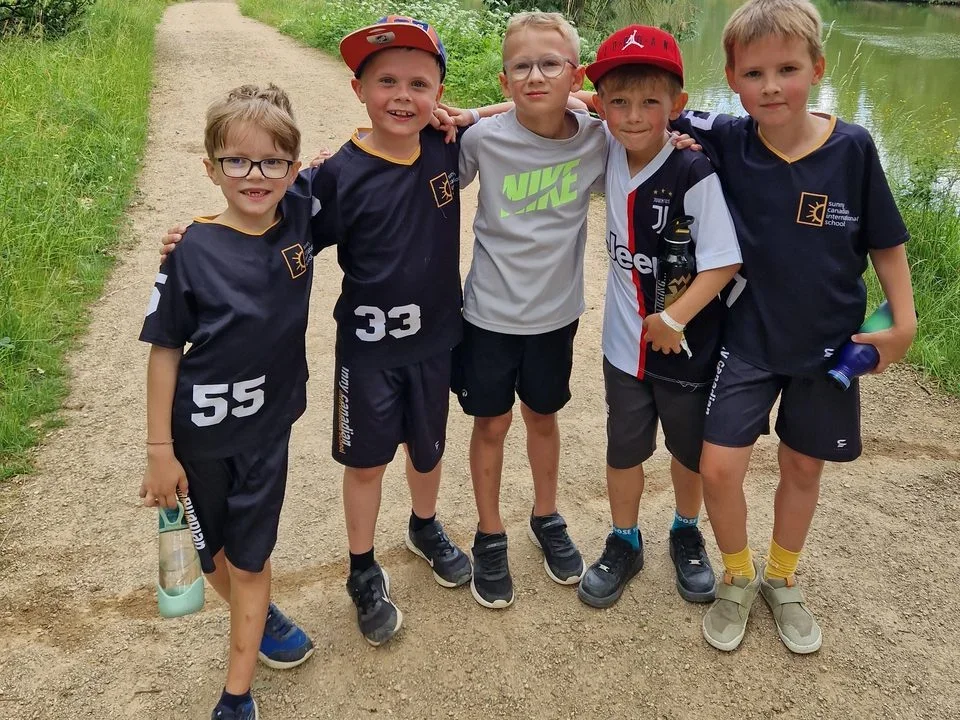
A group of pupils in sports kit on a forest path

Outdoor Programme

Resilience Can’t Be Learnt from a Textbook.

Children regularly step out of their comfort zone, overcome obstacles and discover that difficult situations can be handled. In a safe, carefully designed environment, they build resilience, independence and confidence in their own abilities.
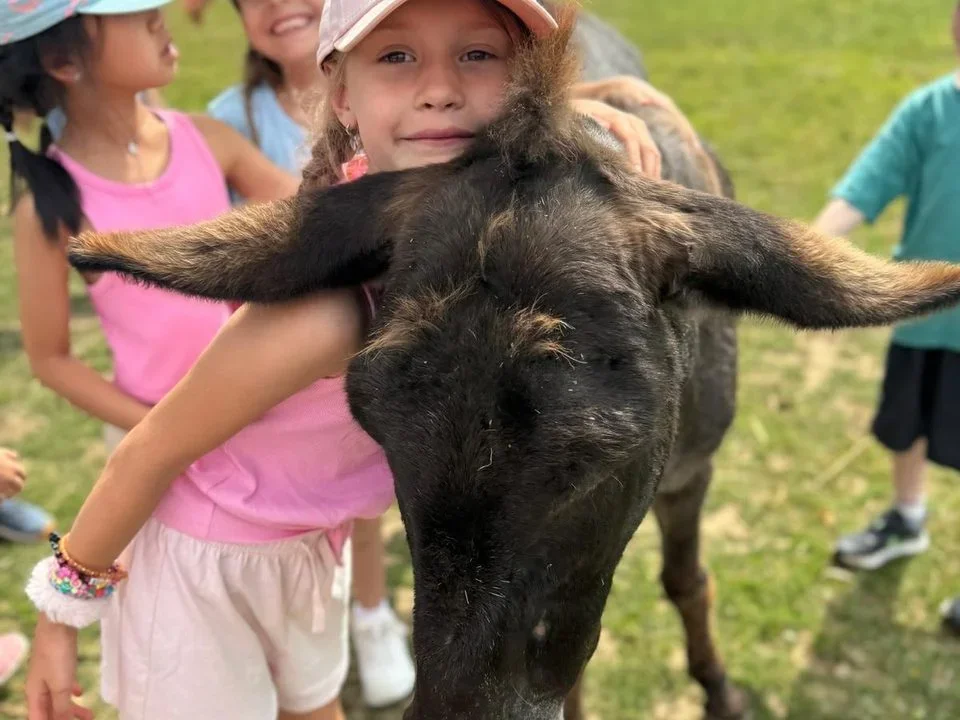
A little girl hugging a donkey on a school trip

Shared Events

Relationships Don’t Happen by Chance.

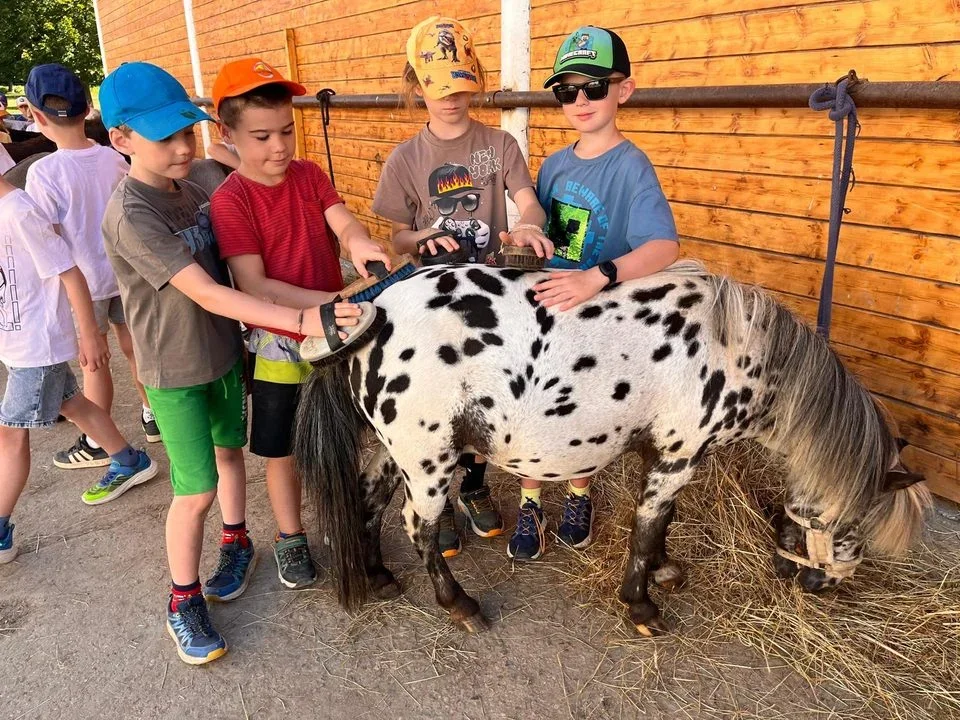
Trips, excursions and stays in nature strengthen mutual trust, friendship and the sense of belonging that helps children feel at home at school.

Before You Decide

Frequently Asked Questions

English is part of the admissions process because it’s a natural part of everyday school life. We’re not looking for perfect English, but for children who are ready to make the most of the opportunities bilingual education offers.
The school offers a free morning club (7:45–8:45) and afternoon club (from the end of lessons until 17:00). The morning club is a calm start to the school day, while the afternoon club focuses a lot on time outdoors. Extracurricular activities take place during club time, and the club teacher sends each child to their activity at the right time.
Yes, if there’s a free place in the grade. Admission includes trial days and a meeting with the family.
The stages are connected by a shared educational philosophy and close cooperation between teachers. The 1st Stage builds on the experience children bring with them and, at the same time, systematically prepares them for the demands of Junior High.

Enrolment for Grade 1

How to Join Us

Application, trial days, tests and an interview – you’ll find the whole enrolment process step by step on the For Applicants page.

Enrolment Step by Step